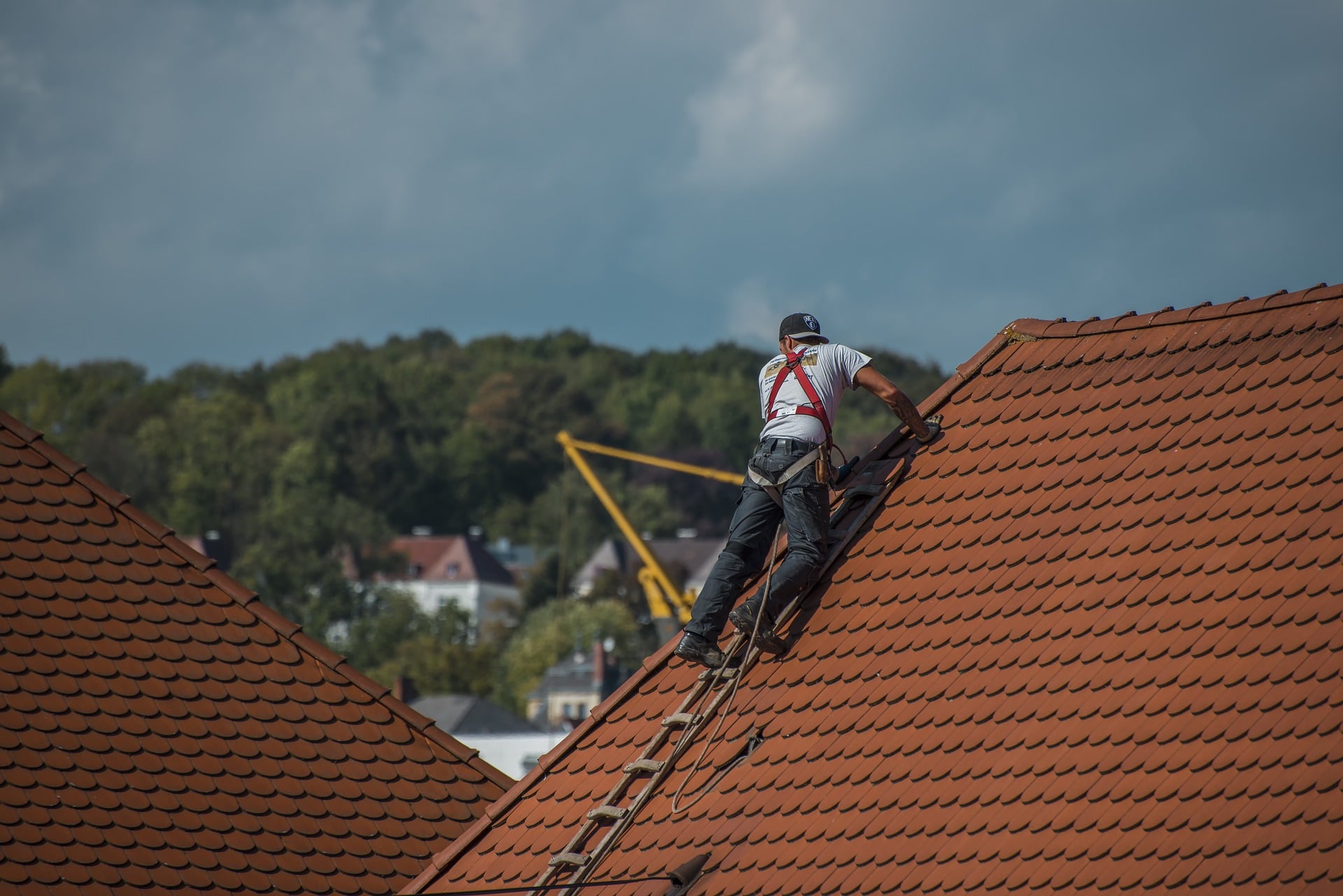
Florida weather impacts your roof year-round by constantly exposing it to sun, heat, humidity, rain, wind, and storm conditions that slowly wear down the materials protecting your home or business. Most people think roof problems start with one major storm, but in Florida, the bigger issue is often the steady pressure your roof faces every day.
With warm weather year-round, a roof in Central Florida rarely gets a true break. The sun beats down through most of the year, afternoon storms can arrive quickly, and high humidity keeps moisture in the air even when it has not rained. Over time, that combination can shorten the roof’s longevity, weaken roofing materials, and turn small issues into larger repair needs that often require a local roofing contractor.
That does not mean every roof is in trouble. It means homeowners, business owners, and property managers need to understand how the Florida climate works against a roof, so they know what to watch for and when to call a professional.
Why Is Florida’s Climate Stress So Hard on a Roof?
Florida’s climate stress is hard on a roof because the weather does not damage one part of the system at a time; it affects the surface, fasteners, sealants, flashing, ventilation, drainage, and underlayment together. A roof is not just the material you see from the street. It is a full protective system built to move water away, resist wind, handle sun exposure, and keep the structure underneath dry.
In Florida, that system deals with repeated cycles. The heat expands materials during the day. Cooler nights allow them to contract. Heavy rain tests weak points. Humidity keeps moisture present longer. Wind can lift loose edges. Debris can scrape or puncture the surface. When these forces repeat for years, the roof’s weakest areas usually show problems first.
This is why two roofs of the same age can perform very differently. A well-installed roof with good ventilation and routine roof maintenance may hold up much better than one with clogged gutters, loose flashing, poor attic airflow, or ignored storm damage. The weather matters, but so does how prepared the roof is to handle it.
How Does Florida Heat Affect Roofing Materials?
Florida heat affects roofing materials by causing expansion, drying, softening, cracking, and gradual wear that can make a roof age faster than expected. In Florida, intense heat is not just uncomfortable for people. It also exerts daily pressure on the materials that protect homes and commercial buildings.
As roofing materials heat up, they expand. As temperatures drop, they contract. This movement may seem small, but over many years it can loosen fasteners, stress seams, weaken adhesives, and create small openings through which water can eventually enter. On shingle roofs, the repeated cycle can make shingles curl, crack, or lose granules.
On flat or low-slope roofing systems, heat can stress coatings, seams, and drainage areas. Understanding these effects can also help homeowners identify key factors to look for in a roofing company, such as experience with Florida weather conditions, proper installation practices, and long-term maintenance recommendations.
The problem is not always visible right away. A roof may look fine from the ground, while the roof’s surface is slowly drying out or losing flexibility. Once materials become brittle, they are less able to handle wind, impact, and heavy rain. That is when a small issue can become a leak.
How Does Excessive UV Exposure Lead to Material Degradation?
Excessive UV exposure causes material degradation because sunlight breaks down the surfaces of roofing materials and reduces their ability to protect the layers beneath. Florida’s sunshine is one of the reasons people love living here, but that same sun can be tough on a roof.
UV rays gradually dry out many roofing materials. Over time, this can cause:
- Asphalt shingles to lose granules, become brittle, crack, or expose areas that no longer shed water as effectively.
- Sealants and flashing details to shrink, split, or pull away from vulnerable roof areas.
- Durable roofing materials to weaken faster when sun exposure, heat, and moisture work together.
This kind of damage usually happens slowly. Homeowners may not notice it until they see granules in gutters, dark streaks, cracked shingles, or areas that look worn compared to the rest of the roof. By then, the roof’s protective surface may already be weaker than it should be.
The goal is not to panic over normal aging. Every roof ages. The goal is to recognize when Florida’s sun is speeding up the process so repairs or maintenance can happen before leaks start.
How Does High Humidity Affect Roofs in Florida?
High humidity affects roofs in Florida by keeping moisture present longer, which can encourage algae growth, wood rot, mold, and hidden deterioration beneath the roofing surface. A roof is designed to shed water, but humidity creates a different kind of challenge because moisture can remain in the air and inside poorly ventilated spaces.
When a roofing system does not breathe properly, moisture can become trapped. Over time, that can affect decking, insulation, attic spaces, and underlayment. The outside of the roof may show streaking, algae, mildew, or dark staining, while the inside may show signs such as musty odors, ceiling stains, or damp insulation.
This is one of the hidden ways Florida weather affects roofs, and it is where ventilation matters. Good airflow helps reduce moisture buildup and allows the roofing system to dry out after storms. Poor ventilation can make the roof’s materials work harder than they should, especially in a Florida home where air conditioning runs frequently and outdoor moisture levels remain high.
For homeowners and business owners, humidity damage is frustrating because it can stay hidden. By the time there is visible interior damage, the problem may have been developing for a while.
How Do Florida’s Rain Patterns Damage a Roof Over Time?
Florida’s rain patterns damage a roof over time by repeatedly testing drainage, flashing, seams, valleys, gutters, and any weak points where water can collect or enter. Heavy rain is not unusual in Florida, and during rainy months, a roof may have to move large amounts of water off the structure quickly.
When a roof is in good condition, water should move toward gutters, drains, valleys, or proper exit points. When drainage is blocked or poorly designed, water can sit where it should not. That standing water creates pressure on the roofing system and can find its way under loose edges, cracked sealant, damaged flashing, or worn materials.
This is especially important for both residential and commercial roofing. A steep-slope roof may show missing shingles, clogged gutters, or problems in the valleys. A low-slope commercial roof may show ponding water, membrane wear, clogged drains, or seam issues. Different roofing systems fail in different ways, but the cause is often the same: repeated exposure to moisture finds the easiest path inside.
A leak does not always start directly above the stain. Water can travel along decking, beams, or insulation before it appears indoors. That is why guessing at the source of a leak can lead to missed repairs.
How Do Storms and Wind Expose Existing Roof Damage?
Storms and wind expose existing roof damage by putting sudden pressure on areas that were already loose, brittle, cracked, or poorly sealed. Many people think storms create all roof problems at once, but storm conditions often reveal damage that was already developing.
A lifted shingle, a weak fastener, a cracked sealant line, or a worn flashing detail may survive normal days. During strong wind or heavy rain, that weak point can open up. Once wind gets under a loose edge, it can pull materials away from the roof. Once water gets past the surface, it can move into the decking, attic, or interior ceiling.
This is why older roofs can be more vulnerable during hurricane season. After many years of sun, heat, humidity, and rain, the roof’s materials may not have the same flexibility or strength they once had. A storm does not need to remove the whole roof to cause expensive damage. It only needs to exploit one weak area.
After severe weather, homeowners should look for missing materials, loose metal, damaged flashing, stains on ceilings, debris impact, or anything that looks different from before. A professional inspection can help separate cosmetic issues from problems that need repair.
Which Roofing Materials Best Handle the Florida Climate?
The best roofing materials for the Florida climate are the ones that match the building, slope, budget, ventilation, maintenance needs, and exposure level of the property. There is no single material that is automatically best for every roof in Florida.
Different roofing materials respond to Florida weather in different ways:
- Asphalt shingles are common on residential homes because they are familiar, cost-effective, and available in many styles. In Florida, they need proper installation, ventilation, and maintenance because the sun, heat, and storm conditions can wear them down over time.
- Metal roofing can make sense for some homes and businesses because it performs well in rain and offers strong durability when installed correctly. However, metal still needs proper fastening, flashing, sealant work, and attention to expansion and contraction. It is not maintenance-free.
- Tile roofing can handle sun exposure well, but broken tiles or issues with underlayment can still lead to leaks.
- Flat roofing systems are common in commercial roofing and depend heavily on drainage, seams, coatings, and ongoing care.
The most important point is that roofing materials are only part of the answer. A strong roof also depends on workmanship, ventilation, flashing, underlayment, and the right system for the building. Good materials installed poorly can still fail. Average materials, when installed and maintained properly, often perform better than expected.
How Can Roof Inspections and Roof Maintenance Extend Roof Longevity?
Roof inspections and maintenance extend roof longevity by identifying small problems before Florida weather turns them into leaks, structural damage, or premature replacement. A roof does not usually fail all at once. It gives warnings first.
Regular roof inspections can catch cracked sealant, loose flashing, damaged shingles, clogged drainage areas, worn pipe boots, soft spots, punctures, and early signs of moisture. These issues may not seem urgent at first, but in Florida, the next round of heavy rain, heat, or wind can make them worse.
For homeowners, maintenance may include keeping gutters clear, trimming branches away from the roof, watching for interior stains, checking after storms, and paying attention to granule loss or visible wear. For business owners and property managers, maintenance may also include checking drainage systems, rooftop equipment areas, seams, and areas where foot traffic or standing water can cause problems.
The reason maintenance matters is simple: repairs are usually easier when problems are small. Waiting until there is interior damage often means the issue has already moved past the surface of the roof.
What Should Florida Homeowners Do Before Weather Damage Gets Worse?
Florida homeowners should pay attention to early warning signs, schedule inspections when something changes, and work with a local roofing professional before small roof problems become bigger repairs. You do not need to understand every part of a roofing system to protect your home. You just need to know when something looks wrong and when it is time to ask for help.
Watch for missing or cracked shingles, stains on ceilings, loose flashing, sagging areas, clogged gutters, dark streaks, granules near downspouts, or signs of water around vents and skylights. After storms, look for debris impact, lifted edges, or anything that appears out of place. If your roof is older or has gone many years without inspection, it is worth having it checked before storm season puts it under more pressure.
For Central Florida homes and businesses, the goal is not just to fix leaks after they happen. The goal is to understand how Florida weather affects the roof year-round and make smart decisions before damage spreads.
Roof Top Services works with residential and commercial roofing needs throughout the Orlando and Winter Springs area, including roof repair, replacement, sheet metal, skylights, and related roofing services. If you are unsure whether your roof is showing normal wear or weather-related damage, a professional inspection can give you a clearer answer and help you decide what to do next.
Protect Your Roof Year-Round with Roof Top Services
At Roof Top Services, we help homeowners and businesses protect their roofs from the ongoing effects of Florida’s heat, humidity, rain, and storms through expert roofing services, repairs, maintenance, and replacements. We understand how Florida weather affects roof performance over time, and we proactively identify issues before they become costly problems. Contact us today to keep your roof strong, reliable, and ready for whatever Florida weather brings next.
Make Us Your Preferred Source
Enjoyed this blog? Use this link to make us your preferred source for the latest insights, tips, and updates. https://www.google.com/preferences/source?q=https://www.rooftopservices.com/
When you choose us as a preferred source, you’re letting Google know you’d like to see more of our content when it’s relevant to your searches. It helps us stay connected with you and makes it easier for you to find helpful information from our team whenever you need it.